
Workshop participants explored how thoughtfully designed outdoor spaces can support children’s growth, creativity, and connection to nature.
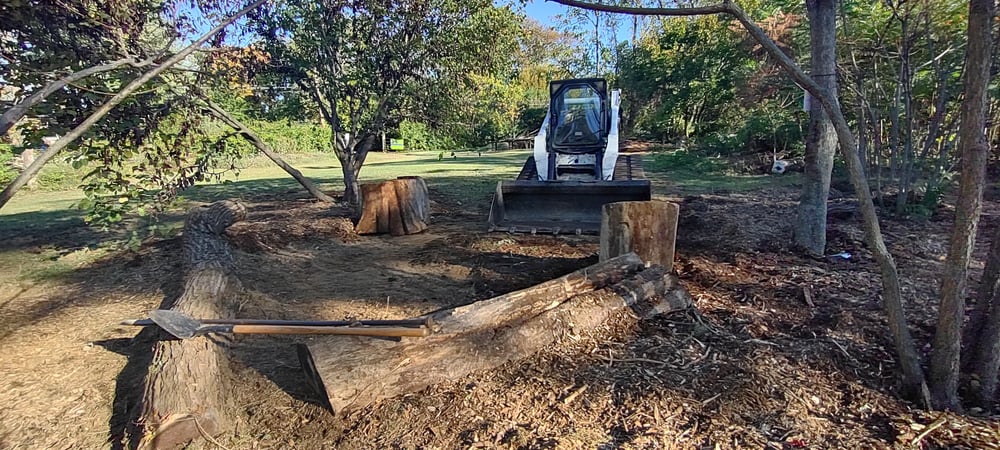
On a crisp, clear autumn day, the sun rose over Bob-O-Link Greenspace and shone on new features created for nature play. Led by Human-Nature Systems, the hands-on workshop invited participants to explore how ordinary outdoor spaces can become dynamic environments for play, discovery, imagination, and connection with nature.
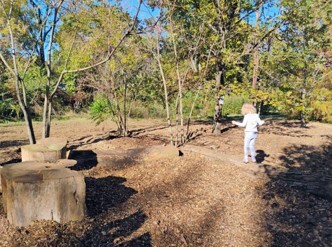 The workshop began with participants sharing memories of their own childhood experiences in greenspaces, including favorite outdoor play areas and the qualities that made those places memorable. From there, the group examined how unstructured play in nature can contribute to five areas of holistic childhood development: cognitive, creative, physical, social and emotional, and spiritual growth.
Participants also considered how children’s play needs change as they grow. Natural play areas can provide comfortable outdoor experiences for infants and caregivers, opportunities for toddlers to explore independently, places for preschoolers to build and engage in dramatic play, and settings where school-age children can create forts, play games, observe nature, and deepen their understanding of plants, animals, weather, and seasonal change.
Several design principles were addressed during the workshop.
Effective natural play spaces should offer
1. the right kind of place
2. play
3. re-play, with children returning frequently to discover new possibilities.
Enhanced nature play areas offer include a diversity of activity zones, a variety of age- and ability-appropriate challenges, as well as loose materials that children can move, combine, manipulate, and rebuild. These principles allow children to select and create their own play, rather than limiting them to a predetermined use.
Safety and maintenance were also important parts of the conversation. Participants discussed impact-absorbing surfaces, hazardous plants and environmental conditions, routine inspections, and the need to match the size and complexity of features to the intended age groups. The group examined the difference between risks and hazards, recognizing that opportunities to experience the outcomes of managed and developmentally appropriate risks are building blocks for life lessons and choosing actions or behaviors.
Learning by Building
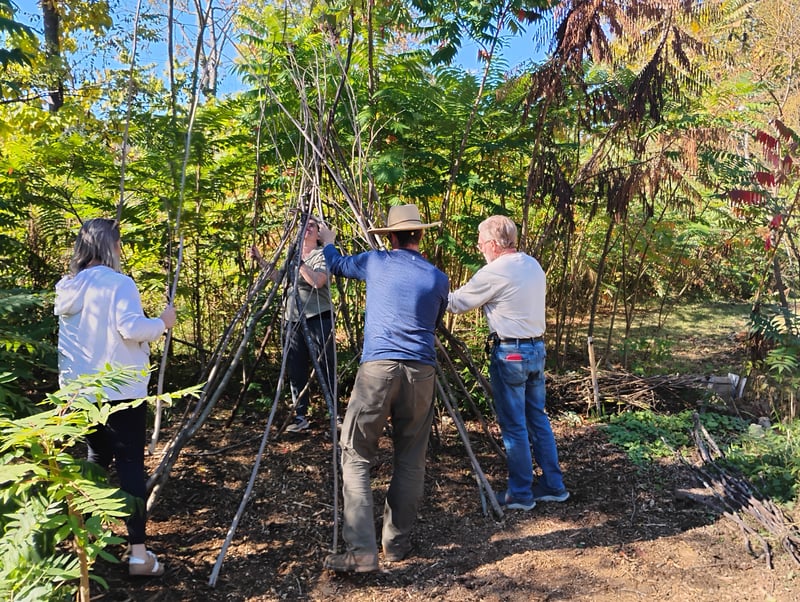
After exploring the concepts, participants applied them to seven nature play features at the greenspace:
-
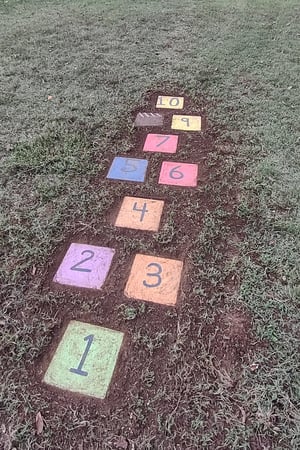
Hopscotch pavers supporting physical, social, and cognitive development
-
A sumac grove trail offering quiet space for rest, observation, and connection
-
A woven tapestry combining found materials, sensory play, construction, and art
-
Construction play using loose parts to create fairy houses and other imaginative structures
-
A brush fort providing opportunities for building, gathering, and relaxation
-
Seating areas and balancing logs encouraging movement, sensory play, and social interaction
-
A climbing and balance rope area offering physical challenges for middle-childhood through youth ages
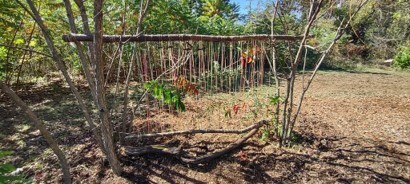
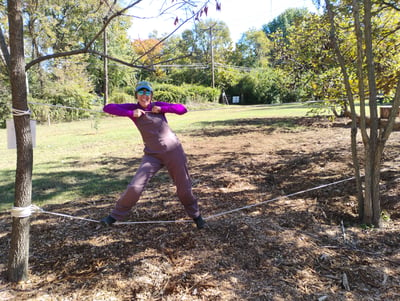 Participants helped construct and add finishing touches to several of these features, putting workshop principles into practice while demonstrating how natural materials such as logs, rocks, plants, brush, sticks, and found objects can support many forms of play.
Continuing the Conversation
The workshop generated ideas for strengthening nature play at Bob-O-Link Greenspace. Questions for continued discussion include how to clearly identify the area as a place for intentional nature play, communicate an open invitation for families to use it, and provide cues that encourage visitors to care for the space and nearby plantings.
 Participants also considered whether the area might include storage for journaling supplies or a small lending library, as well as ways to communicate with families throughout the neighborhood.
The workshop showed that nature play does not require expensive equipment. With thoughtful design, suitable natural materials, regular care, and permission to explore, a greenspace can become a place where children move, imagine, build, discover, reflect, and connect. The new features at Bob-O-Link Greenspace offer a starting point for those experiences and inspiration for creating or enhancing natural play areas throughout the community.
The creation of natural play areas is a wonderful addition to the greenspace. It engages kids and adults and builds support for conservation activities. Russ and Tricia from Human-Nature Systems are great educational partners for the greenspace projects and neighborhood. - Jennifer Erena, Key Steward